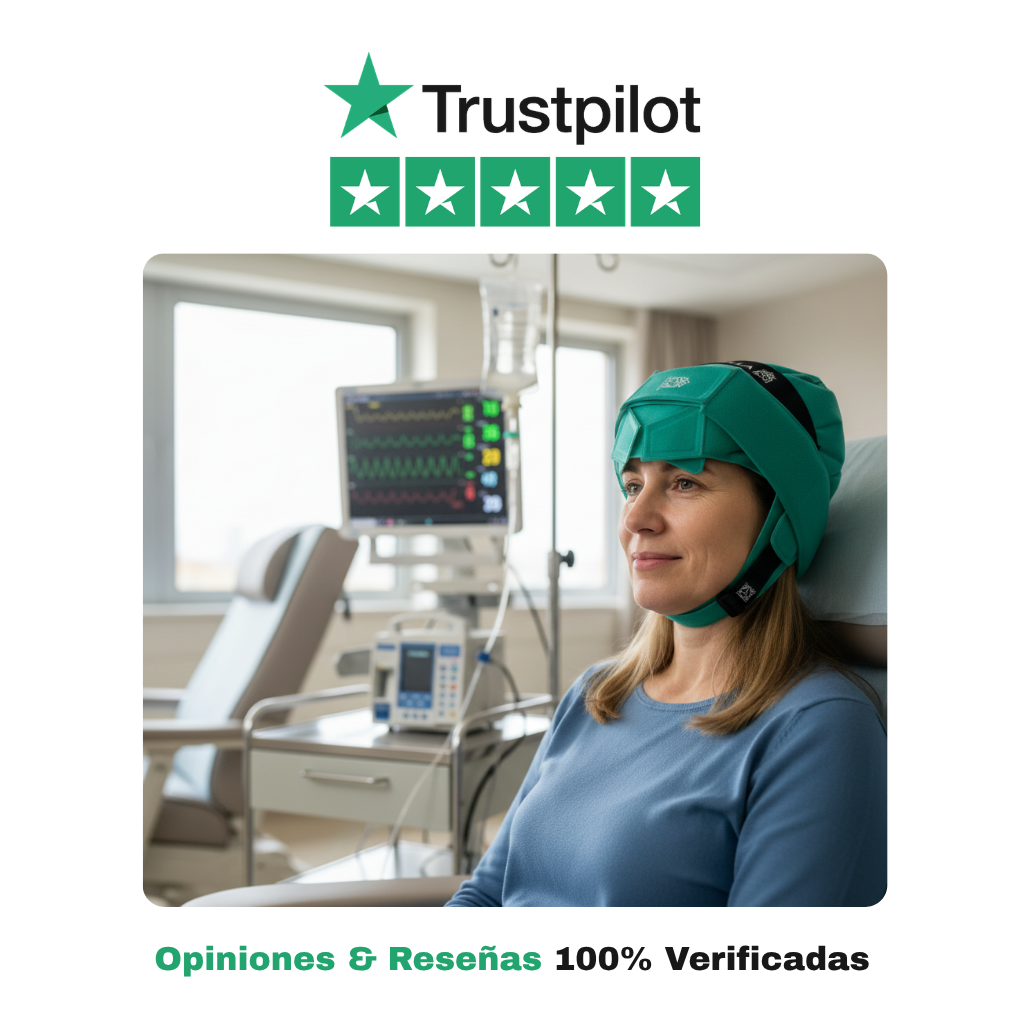
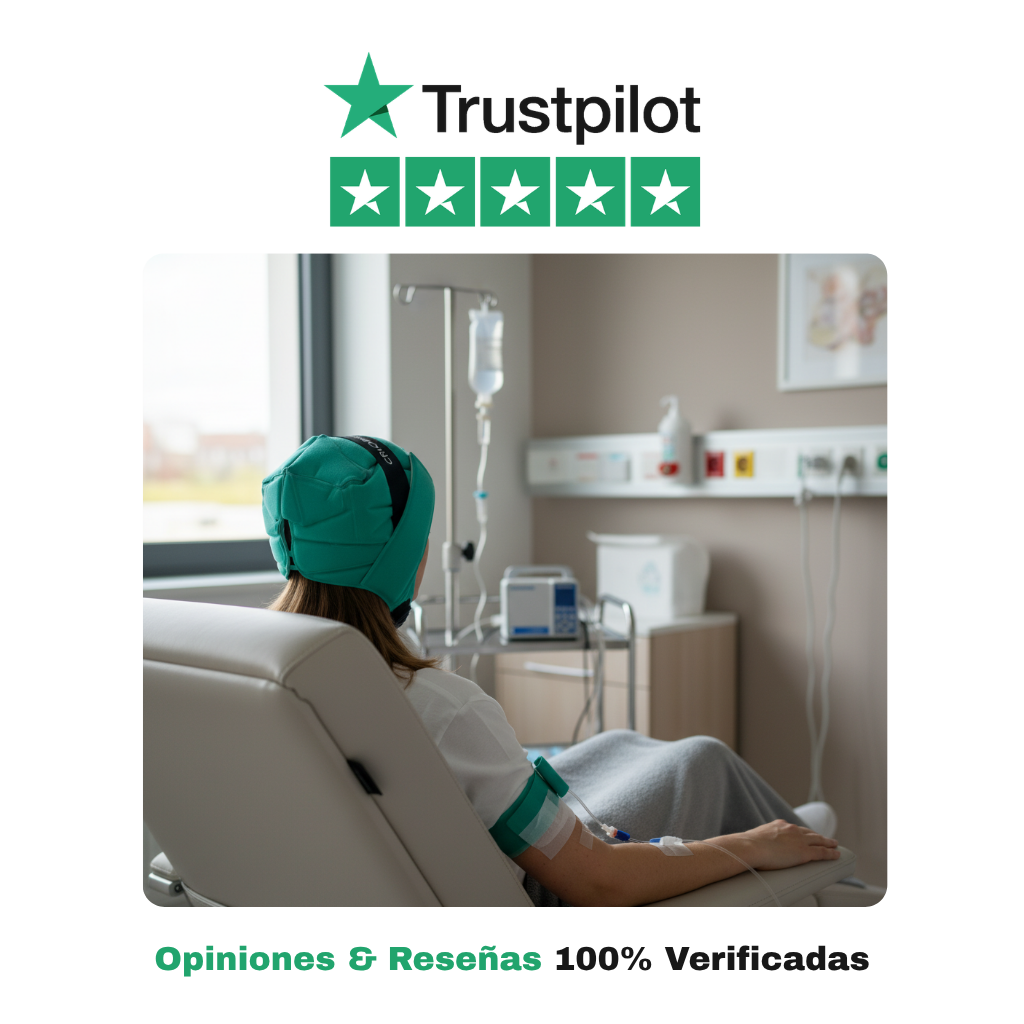
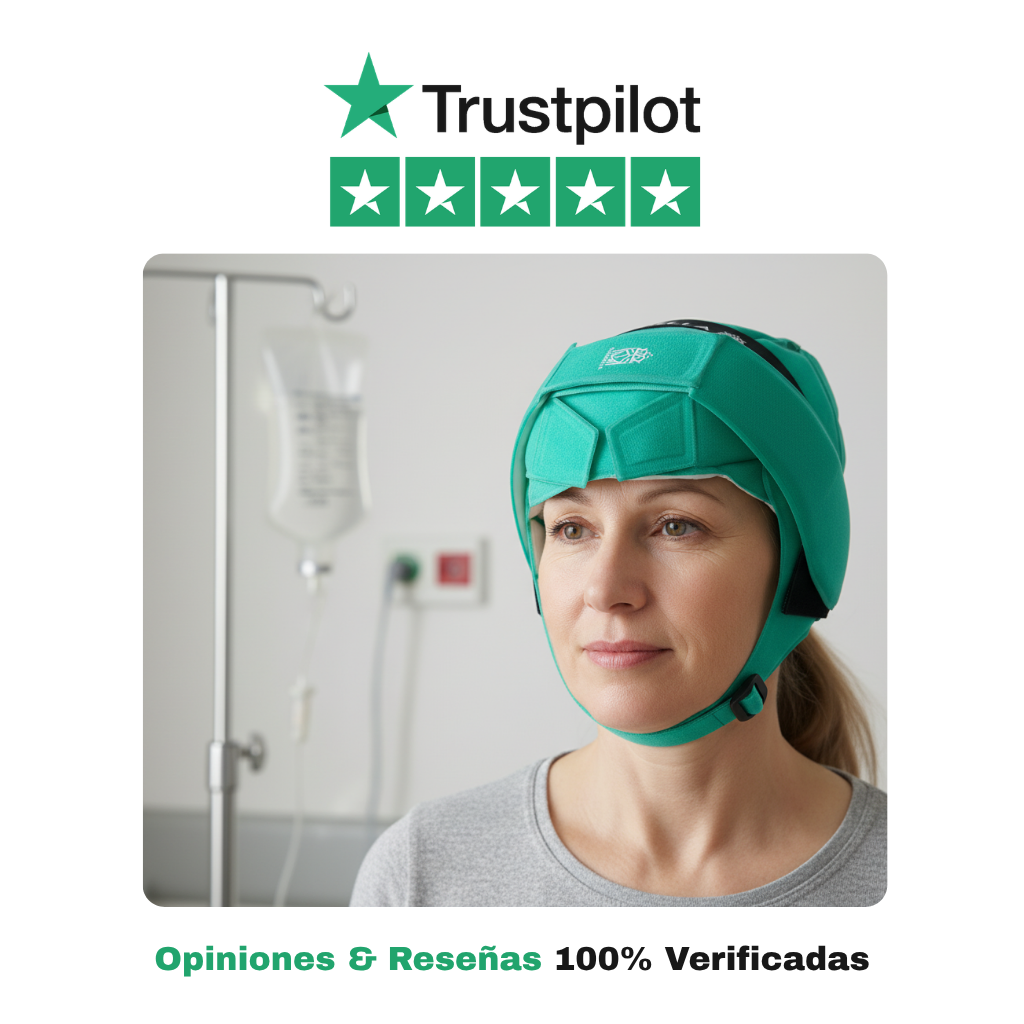
Now, keeping your hair during chemo is up to you.

How the hypothermia hat works

How does the hypothermic cap work to prevent hair loss?

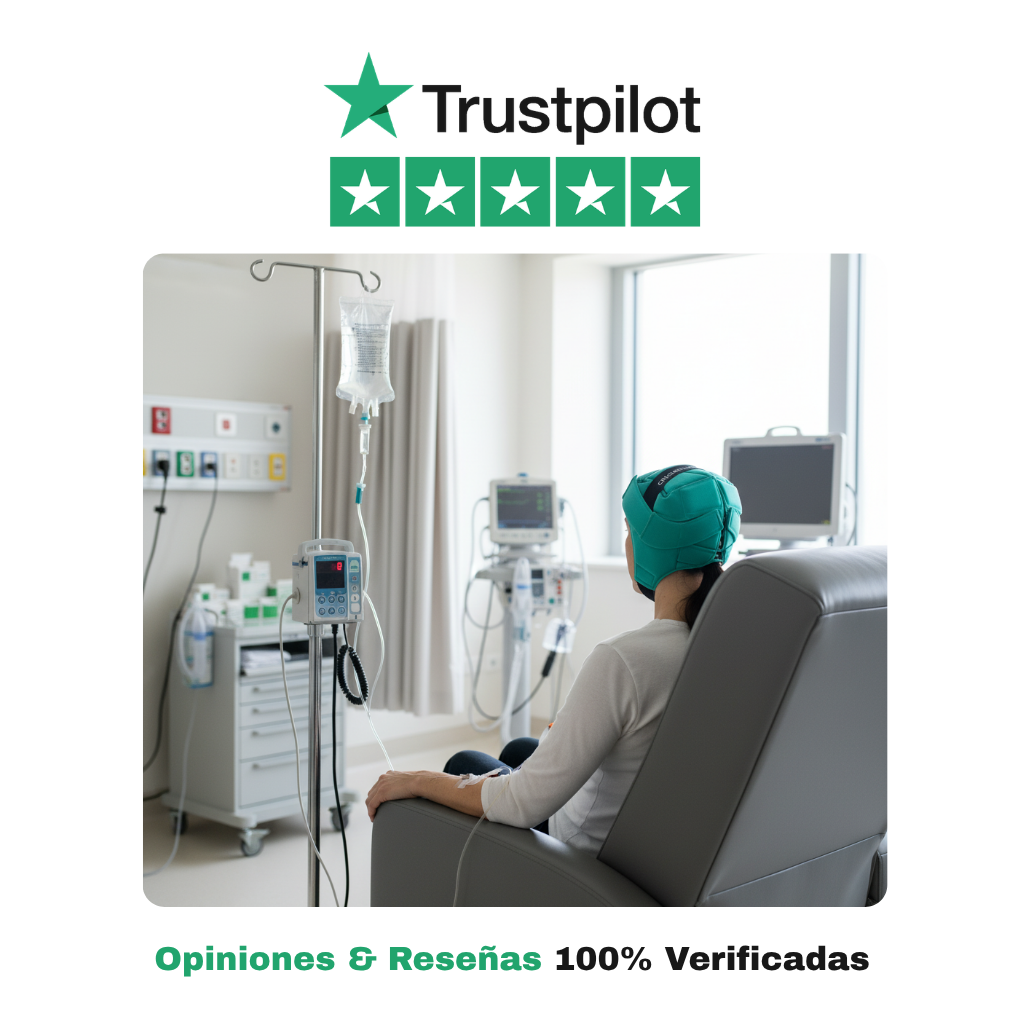
How the hypothermia hat works is one of the most common concerns among cancer patients preparing to undergo chemotherapy. This device, also known as scalp cooling cap, aims to protect the hair follicles the damage caused by cytotoxic drugs.

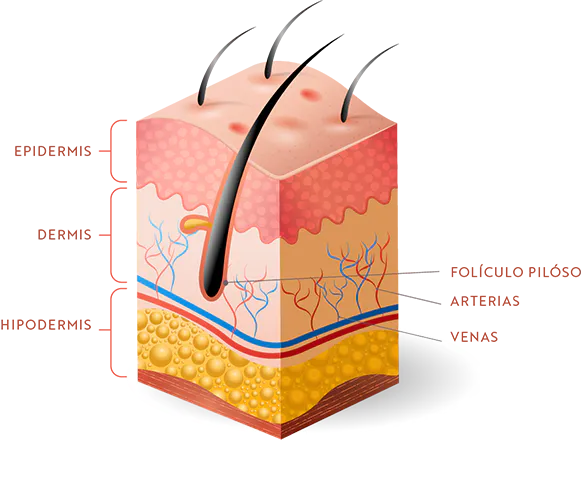
The mechanism involves applying localised cold to the scalp, which causes vasoconstriction, that is, a constriction of the blood vessels. This reduction in blood flow restricts the delivery of the medicine to the follicles. Furthermore, the cold slows down the cellular metabolism of keratinocytes, causing the cells to less active and, therefore, less vulnerable.

The combination of these effects has proven to be an effective strategy for preventing chemotherapy-induced hair loss, particularly with drugs such as taxanes or anthracyclines【1】【2】【3】.

Key benefits of the hypothermia hat:

  • Reduced delivery of the chemotherapeutic agent to the hair follicle

  • Reduction in cell damage

  • Partial or complete preservation of the hair

  • Improved emotional well-being

Why is capillary cooling so effective? Discover its three key mechanisms

The hypothermia hat acts at three physiological and cellular levels, creating a synergistic effect that protects the hair:

1. Vasoconstriction: the body’s natural defence mechanism

When the temperature of the scalp drops, the blood vessels constrict significantly. This vasoconstriction can reduce capillary perfusion up to 40%, thereby reducing the concentration of the drug in the follicular area【2】【3】.

2. Reduced distribution of the drug

The cold reduces the fluidity of cell membranes, which hinders the drug’s entry into the follicular cells. Furthermore, as kinetic energy decreases, the cytotoxic molecules are less effective at penetrating【2】.

3. Slowing of the metabolism

Hypothermia also reduces mitotic and enzymatic activity of the cells. This means that the keratinocytes in the hair bulb enter a resting state, making them less susceptible to damage caused by chemotherapy【1】【3】.

Practical example:
Imagine that the follicle is a factory. If the flow of lorries (medication) slows down, the doors are half-closed (cold membranes) and the workers are on a break (low metabolism), the risk of damage is much lower.

Summary and next steps: is it worth using the hypothermia hat?

In short, The hypothermic hat protects your hair by reducing the amount of drug that reaches the follicle and decreasing the cells’ susceptibility to damage. This is achieved by:

  • The cold-induced vasoconstriction

  • The reduced cell permeability

  • The slowing of follicular metabolism

For best results, it is essential to follow a strict protocol which includes:

  • 30-minute pre-cooling

  • Continuous cooling during chemotherapy

  • Post-cooling for 60 to 120 minutes【5】【6】

At Criobella, we offer effective handheld devices that are ready to use at home or in the clinic. If you are undergoing cancer treatment, Ask your oncologist about the possibility of using scalp cooling.

FAQs

Does the cap work with any type of chemotherapy?
Mainly with taxanes and anthracyclines. Not all drugs respond equally to cooling【3】.

Are there any side effects?
It may cause headaches, chills or discomfort due to the cold. These symptoms are temporary and tolerable【4】.

What percentage of hair is retained?
It depends on the protocol and the type of drug. In studies, More than 50% of patients retain some or all of their hair【3】【6】.

How does the beanie stay cool?
It should be replaced every 20–30 minutes with another one that has been frozen beforehand. Consistency is key【5】.

Youtube #!trpst#trp-gettext data-trpgettextoriginal=1633#!trpen#video#!trpst#/trp-gettext#!trpen#

Source: [1] Dunnill, C. J., Al-Tameemi, W., Collett, A., Haslam, I. S., & Georgopoulos, N. T. (2017). A Clinical and Biological Guide for Understanding Chemotherapy-Induced Alopecia and Its Prevention. The Oncologist, 22(2), 186–193. [2] Al-Tameemi, W., Dunnill, C., Collett, A., & Georgopoulos, N. T. (2017). Studying the mechanisms of chemotherapy-induced alopecia and the effect of cooling using in vitro human keratinocyte models. Journal of Investigative Dermatology, 137(3), S65. [3] Rugo, H. S., Klein, P., Melin, S. A., Hurvitz, S. A., Melisko, M. E., Moore, A., ... & Esserman, L. (2017). Association Between Use of a Scalp Cooling Device and Alopecia After Chemotherapy for Breast Cancer. JAMA, 317(6), 596–605. [4] Kruse, M., & Abraham, J. (2018). Management of Chemotherapy-Induced Alopecia With Scalp Cooling. Journal of Oncology Practice, 14(3), 123–128. [5] Fehr, M. K., Welter, J., Sell, W., Jung, R., & Felberbaum, R. (2016). Sensor-Controlled Scalp Cooling to Prevent Chemotherapy-Induced Alopecia in Female Cancer Patients. Current Oncology, 23(5), e517–e522. [6] Komen, M. M. C., Smorenburg, C. H., Nortier, J. W. R., van der Ploeg, T., & van den Hurk, C. J. G. (2016). Results of scalp cooling during anthracycline-containing chemotherapy depend on scalp skin temperature. The Breast, 29, 67–72.
Publication date: 25 June 2025

Refrigeration Cap Calculator

How many caps you need for your treatment

Select the length of your chemotherapy sessions to get your personalised cold cap recommendation, along with the price and details of the ideal plan for you.

AEMPS Certificate